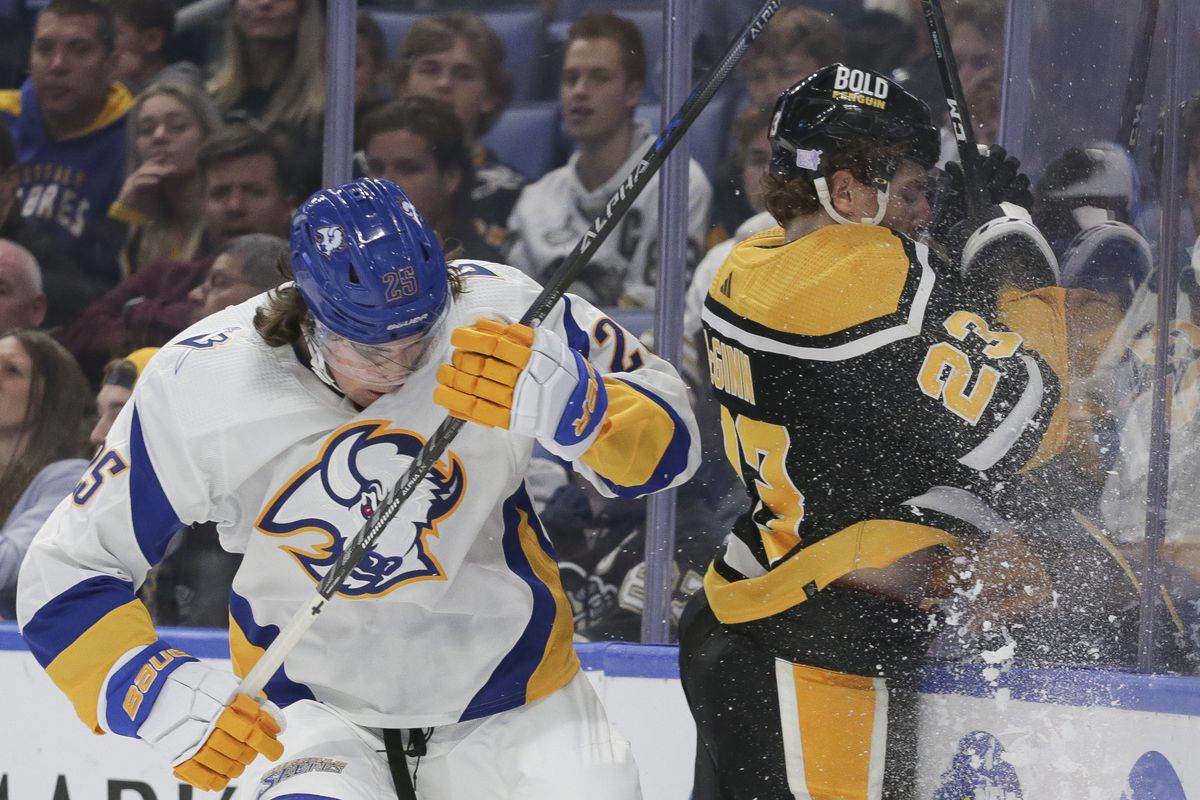
The Metropolitan Showdown: High Stakes for Penguins Vs Hurricanes
The NHL season delivers countless thrilling matchups, but few carry the same divisional intensity as a clash between the Pittsburgh Penguins and the Carolina Hurricanes. Fresh off an impressive 7-2 rout of the Colorado Avalanche, highlighted by Evgeni Malkin’s two-goal performance, the Penguins (34-18-15) traveled to Raleigh with a renewed sense of momentum. Standing in their way were the formidable Carolina Hurricanes (42-19-6), a team boasting one of the league's best records and a particularly strong 13-4-1 standing within the Metropolitan Division. This wasn't just another regular-season game; it was a battle for divisional bragging rights, featuring two of the league's top-scoring offenses, with both teams averaging 3.4 goals per game.
The stakes were clear: a chance for Pittsburgh to gain ground in the competitive Metropolitan Division, and an opportunity for Carolina to solidify their dominant position. This marked the third encounter between these two titans this season, with the Hurricanes having edged out the Penguins 5-4 in a thrilling shootout in their last meeting. With stars like Malkin and Bryan Rust leading the Penguins, and Andrei Svechnikov and the ever-dangerous Nikolaj Ehlers spearheading the Hurricanes' attack, the stage was set for a classic confrontation. Adding another layer of anticipation, Penguins captain Sidney Crosby made his much-anticipated return to the lineup from injury, injecting hope and leadership into Pittsburgh's ranks. However, as the game unfolded, it became clear that individual brilliance alone would not be enough to overcome a series of critical, self-inflicted wounds.
A Promising Start Derailed: Penguins' Early Mistakes Hand Hurricanes the Initiative
The game began with a deceptive sense of promise for the Pittsburgh Penguins. Despite playing on the road in a hostile environment, the Pens came out with an initial burst of energy. Their fourth line, often relied upon for gritty, energy-generating shifts, created several early opportunities, with Noel Acciari notably battling in front of the net. The shot clock reflected this early dominance, showing Pittsburgh leading 7-2 in attempts. It seemed the Penguins were poised to capitalize on their recent offensive surge, ready to carry over the momentum from
Malkin's Momentum: Penguins Face Hurricanes After 2-Goal Night.
However, hockey is a game of fine margins and swift reversals. That promising start dissolved in a matter of seconds. Carolina, known for their relentless forecheck and quick transitions, seized control immediately after an opening faceoff. Jordan Staal expertly used the wall to execute an indirect pass, springing Jordan Martinook on a clean breakaway. Martinook made no mistake, beating Penguins netminder Stuart Skinner to open the scoring. Just like that, the Hurricanes were up 1-0, completely against the run of play.
What followed was a concerning spiral for the Penguins. Their puck management, initially sharp, began to unravel. Almost every time a Penguin touched the puck, it seemed to be turned over within seconds, particularly noticeable in their defensive zone. Carolina's suffocating forecheck created absolute havoc, pressuring every defender. Ilya Solovyov coughed up a costly giveaway, and later, veteran Kris Letang famously handed a puck directly to Logan Stankoven in front of his own net. These were not just minor errors; these were glaring mistakes that directly fed Carolina's aggressive system. Stuart Skinner, despite conceding the first goal, was forced to make several crucial saves, including stopping Sebastian Aho right before the first period horn, preventing the Penguins from digging an even deeper hole. Somehow, Pittsburgh escaped the period down only 1-0, a testament to Skinner's resilience rather than their own disciplined play.
Captain's Rally, But Turnover Troubles Persist
Entering the second period, the Penguins desperately needed to regroup and find their rhythm. However, the early signs were not encouraging. Pittsburgh struggled to generate any offense, failing to register a shot on net for nearly the first half of the period. The lingering effects of the first-period turnover epidemic seemed to have sapped their confidence and ability to establish sustained pressure.
Then, out of the blue, a moment of individual brilliance momentarily ignited hope. Sidney Crosby, making his return to the lineup, showcased why he's one of the game's all-time greats. The captain kept a play alive by subtly leaning out to negate an icing call, demonstrating his unparalleled hockey IQ. Rickard Rakell then did his part on the forecheck, steering a defender to the wall and allowing the puck to pop out to Crosby in front of the net. Crosby, with his signature poise, slid the puck under Frederik Andersen to tie the game at 1-1. It was a clutch goal that highlighted the importance of
Crosby's Return & Power Play Woes in Penguins-Hurricanes Battle, proving that even amidst chaos, the captain could still deliver.
However, the Hurricanes were wise to the Penguins' fragile momentum. In what seemed like a strategic — though certainly unintended — move, Carolina sent Pittsburgh to the power play. On this night, the Penguins' power play was not a weapon, but a liability. They failed to convert on the man advantage, and worse, gave up a clean shorthanded breakaway to Seth Jarvis, only to be bailed out by another timely save from Skinner. This repeated failure on special teams indicated a deeper systemic issue.
The Hurricanes then capitalized on their first power play opportunity when Taylor Hall took a penalty under minimal pressure. While the Penguins managed to kill off the penalty, the reprieve was short-lived. Immediately after, Ilya Solovyov left his feet, allowing Jackson Blake to skate around him and drive directly to the net, jamming the puck in to put Carolina back in front 2-1. Tensions flared further when Crosby and Andrei Svechnikov got tangled up, both heading to the penalty box, with Svechnikov earning an additional two minutes for his vocal displeasure. Despite the relentless pressure and self-inflicted wounds, Stuart Skinner's heroic efforts somehow kept the Penguins hanging around in a game that felt like it was slipping away.
The Cost of Sloppy Play: How Carolina Exploited Every Misstep
This game against the Hurricanes served as a stark masterclass in how quickly even elite teams can unravel when fundamental puck management and defensive discipline falter. The main keyword, "Penguins Vs Hurricanes," transcended a simple rivalry; it became a case study in cause and effect.
The most glaring issue for the Penguins was the **turnover epidemic**. From the reference context, it's clear that almost every time a Penguin touched the puck, it was turned over within seconds. This wasn't just about individual errors; it pointed to a systemic breakdown under pressure. Carolina's forecheck is designed to create this exact scenario. Their aggressive, coordinated attack forces opposing defensemen and forwards into hurried decisions and precarious passes. When a team like Pittsburgh, often reliant on skilled breakouts, repeatedly cedes possession in their own zone, it fuels the opposition's attack, leading to:
- Odd-Man Rushes: Every turnover in the defensive or neutral zone creates an immediate scoring chance for the Hurricanes.
- Loss of Momentum: Constantly chasing the puck after turnovers drains energy and prevents a team from establishing any offensive rhythm.
- Increased Shot Attempts: Carolina thrives on high volume shooting, and giveaways provide them with ample opportunities to pepper the net.
Defenders like Solovyov and Letang, despite their experience or potential, found themselves caught in this cycle, illustrating how even seasoned players can be overwhelmed by relentless pressure when team support is lacking.
Furthermore, the Penguins' **power play ineffectiveness** was a critical blow. A power play is meant to be a moment of advantage, a chance to tilt the ice. For Pittsburgh, it became an additional source of anxiety and even a liability, highlighted by giving up a clean shorthanded breakaway to Seth Jarvis. A struggling power play doesn't just fail to score; it can actively deflate a team, allowing the opponent to gain confidence and momentum, turning an apparent advantage into a psychological setback. This underscores a crucial lesson in hockey: special teams aren't just an add-on; they are often the difference-makers in tight games.
Carolina, on the other hand, was the epitome of opportunistic hockey. They didn't necessarily dominate every single aspect of the game, but they were relentlessly efficient at capitalizing on Pittsburgh's generosity. Their forecheck, their quick transitions, and their ability to convert chances, even immediately after penalties, showcased a team that understood how to exploit weaknesses. Jordan Staal's indirect pass for the first goal and Jackson Blake's power move on the second demonstrated a clinical execution that contrasted sharply with Pittsburgh's struggles.
Practical Tip for Puck Management: To combat a relentless forecheck, teams must emphasize quick, precise breakout passes. Defenders need to communicate clearly, use the boards effectively, and have forwards supporting them low in the zone to create passing lanes. Sometimes, a simple, safe chip out of the zone is better than a risky cross-ice pass that leads to a turnover. Repetitive high-pressure breakout drills are crucial to build muscle memory under duress.
Beyond the Box Score: Key Takeaways for Future Showdowns
The game between the Penguins Vs Hurricanes was more than just another defeat for Pittsburgh; it was a potent lesson in the unforgiving nature of professional hockey. While individual talents like Evgeni Malkin’s two-goal outburst in the previous game offer flashes of brilliance, and Sidney Crosby's return provides leadership and clutch moments, consistent team play and disciplined execution are paramount.
For the Pittsburgh Penguins, the takeaways are stark:
- Puck Management is Non-Negotiable: The turnover rate was simply unsustainable. They must prioritize crisp, secure passes, especially in their own zone, and avoid risky plays under pressure.
- Power Play Efficiency: The man advantage needs to be just that – an advantage, not a psychological drain. Re-evaluating strategies, simplifying play, and focusing on puck retrieval will be key.
- Defensive Zone Structure: Beyond individual giveaways, the team needs to reinforce defensive zone coverage, ensure proper support for puck carriers, and minimize the space Carolina's forecheckers can exploit.
- Mental Resilience: The quick momentum shift after Carolina's first goal and the subsequent "spiraling" suggest a need for greater mental fortitude to weather adversity within a game.
For the Carolina Hurricanes, this game reaffirmed their strengths:
- Relentless Forecheck: Their aggressive system continues to be a top-tier weapon, capable of disrupting even the most skilled opponents.
- Opportunistic Scoring: Carolina’s ability to pounce on mistakes and convert chances is a hallmark of a winning team.
- Depth and Consistency: From their star players to their grinding fourth line, the Hurricanes consistently execute their game plan.
Moving forward, teams looking to challenge a force like the Hurricanes must not only match their skill but also surpass their discipline. This means practicing high-pressure breakout drills, refining power-play entries and zone time, and fostering a culture of accountability for every pass and every decision. The Penguins' journey this season will undoubtedly be shaped by how effectively they learn from these costly mistakes and integrate these crucial lessons into their future performances.
In the highly competitive landscape of the NHL, games are often decided not just by who plays well, but by who makes fewer mistakes. The Hurricanes, through their disciplined play and relentless pressure, perfectly capitalized on the Penguins' unforced errors, turning what could have been a tightly contested divisional battle into a stark reminder of the cost of carelessness. As both teams continue their push through the season, this game will serve as a critical reference point, underscoring the enduring truth that in hockey, fundamental execution often triumphs over individual flashes of brilliance, especially when the stakes are high.